
Why Your Water Heater's Anode Rod Is the Most Important Part You've Never Heard Of
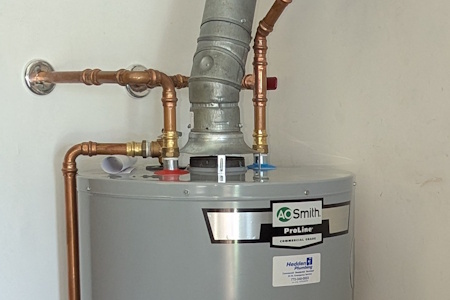
If you want your water heater to last, focus on the water heater anode rod. This simple metal rod works behind the scenes to guard the tank from rust and early failure. When it is healthy, your hot water stays clear, your tank stays strong, and surprise breakdowns are less likely. When it wears out, corrosion can accelerate and shorten the life of your system.
At Hedden Plumbing, we provide trusted water heater services that keep homes comfortable and safe. Our licensed pros check the anode rod as part of routine maintenance, then guide you on when to replace it so your tank keeps doing its job for years.
What an Anode Rod Does And Why It Matters
A standard tank water heater is a steel vessel lined with glass. That lining protects the metal, but it is not perfect. Tiny gaps can allow water to contact steel, leading to rust. The anode rod is the tank's bodyguard. It is made from a more "reactive" metal, usually magnesium or aluminum with zinc. Water attacks the rod first, leaving the tank alone. This is called sacrificial protection.
Think of the anode like a friend who takes the first snowball in a snowball fight. As long as the anode is in place and active, your tank takes less damage. Once it is mostly consumed, the tank is exposed. That is when leaks, rusty water, and loud popping sounds often begin.
How Anode Rods Prevent Tank Corrosion
Inside your tank, minerals and oxygen want to react with steel. The anode creates a small, protective electrical potential difference that directs the reaction toward the rod rather than the tank. Over time, the rod gets pitted and smaller. That is a good sign that it is doing its job. It is designed to be used up and replaced before the tank starts to rust.
Homes with hard water, water softeners, or high hot-water use can consume anodes faster. That is why a regular, professional inspection is the safest way to know what is happening inside your water heater without opening the tank.
Signs Your Anode Rod May Be Failing
You cannot always see the anode without removing it, but your home gives clues. If you notice any of the signs below, schedule a professional inspection.
- Hot water has a metallic, sour, or "rotten egg" smell
- Water looks rusty or discolored after the tank reheats
- Bang, pop, or rumbling sounds during heating cycles
- Hot water runs out faster than it used to
- Past due on maintenance for more than two years
Do not ignore consistent odor or discoloration in hot water. These can be early warnings that the anode is spent or that tank corrosion has begun.
How Often Should An Anode Rod Be Replaced
Most homes benefit from an anode inspection every 1 to 2 years. Replacement timing depends on water quality, household size, and how often the heater runs. Many tanks need a new anode around year 3 to 5, but some need it sooner. Waiting until the rod is completely gone risks irreversible tank damage.
During service, a Hedden Plumbing technician measures remaining rod material and checks for deep pitting. If the rod is mostly consumed or coated in hard scale, we recommend replacement to protect your tank. This is a quick, planned service that helps you avoid emergency leaks and water damage later.
Types Of Anode Rods And Which One Fits Your Home
Anodes come in different metals, each suited to a certain situation. Our team selects the right match based on your water and heater model.
- Magnesium: Strong protection and a great default for many homes. Works well in fresh water and often reduces odor issues.
- Aluminum-Zinc: Helpful where odor is a problem. Performs better than plain aluminum in challenging water conditions.
- Powered (Impressed Current): Uses a small controller instead of a sacrificial metal. Useful where space is tight or water chemistry attacks rods fast.
Low ceilings or tight closets may call for a flexible anode that bends into place. Our technicians carry options to fit standard and low-clearance spaces so we can service your heater without hassle.
Local insight: In many neighborhoods with hard water, scale coats the anode and reduces its protective effect. Regular checks keep that buildup from turning into tank damage. If your home uses a water softener, the anode can wear faster, so a yearly inspection is a smart move.
What Happens If You Ignore The Anode Rod
When the anode is gone, corrosion speeds up. The tank can thin and form pinhole leaks. Sediment hardens at the bottom, trapping heat and straining the burner or elements. That stress can shorten the heater's lifespan and increase your energy use.
The worst-case scenario is a sudden leak that ruins the flooring or nearby storage. Water damage repairs can be disruptive. Replacing the anode on time is a simple way to avoid that outcome and keep your system running quietly and safely.
Change the anode before the tank fails. A quick visit from Hedden Plumbing now can prevent a surprise replacement later.
Professional Inspection And Replacement From Hedden Plumbing
Our water heater services are designed to protect your tank and your peace of mind. A typical maintenance visit includes a visual system check, anode evaluation, and testing of safety and control components. If the anode is near the end of its life, we recommend replacement and install the best-fit rod for your heater.
Many homeowners choose a simple maintenance plan with us. It schedules routine checks at the right intervals and tracks your anode history. That way you do not have to remember dates. We give you a clear report after every visit, so you know your system is protected.
Safety note: Water heaters operate under pressure and at very high temperatures. Only trained professionals should inspect or replace an anode rod.
Seasonal And Water Quality Factors That Affect Anode Life
Water chemistry is the biggest factor in anode wear. Hard water with high calcium and magnesium can leave scale on the rod. This crust can block protective action. Softened water can also accelerate anode consumption. High hot-water demand in a busy household increases the number of cycles and wear.
Seasonal shifts matter too. In colder months, heaters work longer to warm incoming water. That extra run time can accelerate anode consumption. If your home sees heavy hot-water use during the holidays or summer breaks, schedule service before those peak times so your system is ready.
How An Anode Rod Extends Water Heater Lifespan
An anode rod is a low-cost shield with high value. By addressing corrosion, it allows the steel tank to retain its strength. That can add years of service. It also helps keep hot water clear and reduces the chance of foul odors. A healthy anode supports stable efficiency because the tank and heating surfaces stay cleaner.
Homeowners often focus on visible parts like valves or thermostats. The anode works quietly in the background, but it has the biggest impact on whether your heater reaches a long, reliable life. Replacing it on time is one of the smartest maintenance choices you can make.
Odor Troubleshooting Without DIY
If your hot water smells like sulfur, it may be due to the anode or naturally occurring bacteria in some water supplies. Do not try quick-fix chemicals or home remedies. These can harm parts or create safety risks. Instead, schedule a professional evaluation. We can test, confirm the source, and recommend the right anode type or treatment that is safe for your system.
When To Call Hedden Plumbing
Call us if your water heater is over two years old and has never had the anode checked. Also call if you notice odor, discoloration, rumbling, or if the tank is nearing the manufacturer's typical lifespan. Early care is the best way to protect your home and budget.
Here is a simple checklist to know it is time for service:
- You cannot remember the last professional water heater checkup
- Your home has hard water or a water softener
- The heater runs longer in winter or during busy seasons
- You see rusty water after the tank reheats
- Hot water has a metallic or sulfur odor
What To Expect During A Professional Anode Service
Our technician will review your system history, confirm model details, and check clearances. We test valves and controls, then remove and assess the anode. If replacement makes sense, we install the right rod for your water and space, and ensure all connections are sealed and safe. We also discuss simple habits that keep your heater healthy, like scheduling routine checks and keeping the area around the tank clear for airflow and access.
Before we leave, you get a plain-language summary of the visit. It explains the condition of your anode and tank, any risks we found, and the next recommended service window. You also have a chance to ask questions so you feel confident about your system.
Why Homeowners Trust Our Water Heater Services
Hedden Plumbing focuses on clear communication, on-time arrivals, and work that meets strict quality standards. We stock common anode types and parts, so most visits are handled in a single trip. Our goal is to prevent problems before they start, protect your tank, and keep your hot water steady every day.
If you ever notice urgent warning signs like water on the floor near the tank or very hot steam from the relief valve, call us right away at 772-340-0053. We will help you take the next safe step.
Schedule Reliable Water Heater Service Today
Protect your home with a quick, professional anode rod inspection. It is a small part with a big job, and replacing it at the right time can add years to your water heater's life. For friendly, expert water heater services, call 772-340-0053 and book your visit with Hedden Plumbing today.