
Gas Lines Made Safe And Reliable For Your Port St. Lucie Home
Serving Homeowners Across The Treasure Coast
Gas should power comfort, not worry. Our licensed team installs, replaces, and repairs residential gas lines so your appliances run safely and efficiently. Located in Port St. Lucie, we serve Vero Beach, Stuart, and the surrounding communities. As a local water heater services team, we bring careful planning, solid craftsmanship, and clear communication to every job. Call us at 772-340-0053 to learn more about what we do and how we can help with your residential gasline needs.
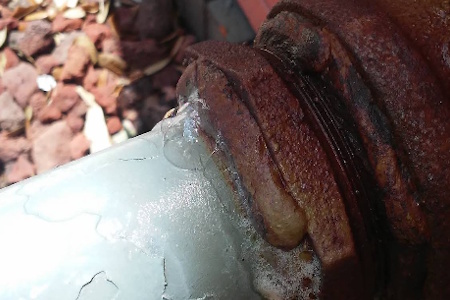
Gas Line Repair - Residential
Smell gas, hear a hiss, or notice pilot lights going out? We help homeowners restore safety and comfort fast with expert gas line repair for residential systems. We serve Vero Beach, Stuart, and the surrounding communities. 772-340-0053 As your local water heater services team, we handle leaks, […]
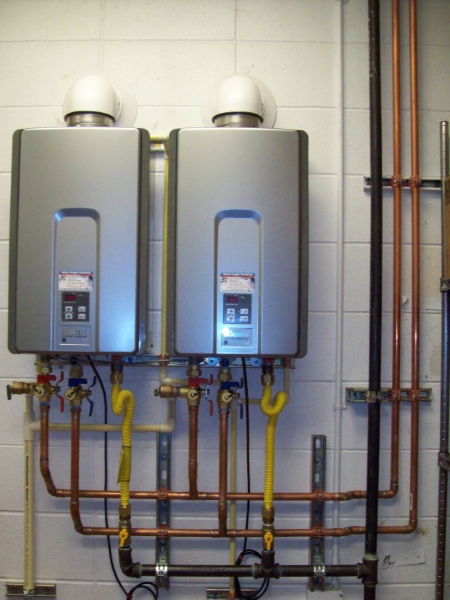
Gas Line Installation - Residential
Upgrading to a gas range or replacing a water heater should feel exciting, not risky. Based in Port St. Lucie, our residential gas line installation serves Vero Beach, Stuart, and the surrounding communities. Whether you are adding a new appliance, relocating a meter, or correcting an […]
Schedule Your Water Heater Installation or Repair Today
Why Safe Fuel Piping Matters At Home
Natural gas and propane make daily life easier, but leaks can be dangerous. Small mistakes during installation or aging fittings can lead to odor, headaches, higher bills, or worse. Corrosion, loose connections, and undersized piping stress appliances and shorten their lives. Professional care keeps the system tight, properly sized, and pressure-tested so your stove lights quickly, your dryer heats evenly, and your water stays hot when you need it.
Skipping expert help can create hidden problems inside walls and attics. A DIY joint that seems fine today may loosen over time. Unbonded corrugated stainless steel tubing can be vulnerable during a lightning event, and poor ventilation can pose carbon monoxide risks. With a qualified crew managing your gas piping, you get peace of mind and a documented pressure test you can trust.
How Our Team Handles The Work
Every home is different, so we start with questions and end with proof. Here is how we handle your project from first call to final light-up:
- Listen and Inspect: We learn which appliances you have or plan to add, then inspect the meter, regulator, and existing lines for condition and sizing.
- Plan The Route: We choose the safest, shortest path to minimize fittings and future maintenance, noting attic access, soffits, or exterior runs.
- Size the Pipe: We calculate total BTUs and distance to size the line correctly for steady pressure, including upgrades for tankless units or generators.
- Install With Care: We use approved materials, proper thread sealants, support spacing, and bonding where required for CSST.
- Pressure Test: We cap, pressurize, and hold the system to verify a tight seal before connecting any appliance.
- Connect And Light: We add shutoff valves and drip legs as needed, connect appliances, then test ignition and check for leaks again.
- Teach And Clean: We review shutoff locations, relight steps, and maintenance tips, then leave the space clean.
Care tips we share are simple and practical. Keep areas around valves clear, do not paint flexible connectors, and call if you ever smell gas or hear hissing. If you plan to add a grill, pool heater, or gas water heater later, tell us now so we can size the trunk line for future expansion and save you a second visit.
Surfaces, Materials, And Situations We Handle
Homes are built with different layouts and materials, and your fuel piping has to fit them all. Our technicians route pipe through attics, garages, utility rooms, and exterior walls, using support spacing to keep everything secure. We set protective sleeves where pipe passes through masonry and seal penetrations to keep pests and moisture out.
We work with black iron, coated steel, and CSST for appropriate projects, always selecting materials based on location, appliance load, and exposure. In coastal areas, we recommend corrosion-resistant finishes and fasteners. Inside the home, clean routing and clear labeling make future service easier and safer.
- Appliances We Connect: ranges, cooktops, wall ovens, dryers, fireplaces, pool heaters, standby generators, and gas water heaters.
- Project Types: new appliance runs, manifold upgrades, line extensions to patios, meter relocations in coordination with the utility, and leak tracing with calibrated equipment.
- Safety Additions: shutoff valves at each appliance, sediment traps where required, bonding on CSST, and accessible unions for service.
Recent Projects in the Local Area
Recent Articles
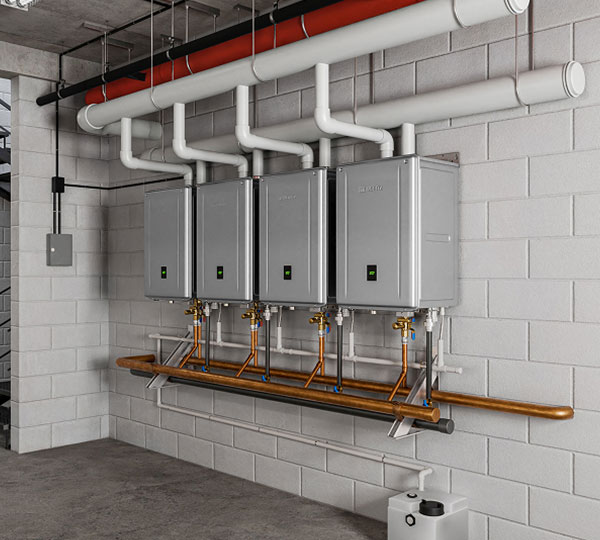
Gas Lines: Installation, Replacement, And Repair
Whether you are installing a new line for a grill or replacing aging pipe, our crew delivers the right solution. We can rework undersized branches, add isolation valves for future upgrades, and perform targeted gas line repair when a single fitting or section is the issue. If you are converting to gas water heaters, we evaluate venting, load, and supply to ensure steady performance. From small fixes to full system reroutes, we ensure your gas lines meet current best practices and operate as intended.
Salt air and summer storms mean your outdoor fittings work hard. Ask about corrosion-resistant hardware and scheduled checkups, so your system stays safe and efficient season after season.
Local Conditions That Influence Safe Operation
Coastal humidity and salt can accelerate corrosion on exterior pipes and fittings. Attics heat up quickly in the summer, which expands materials and can loosen poorly supported runs over time. Lightning frequency is higher in our region during warm months, so bonding for CSST and secure grounding are important details. We design runs with these conditions in mind, focusing on sturdy supports, smart routing, and protective coatings where needed.
For safe, code-conscious gas lines across the Treasure Coast, choose the pros who pressure test every joint and document the results for your records.
Why Homeowners Choose Hedden Plumbing
Home comfort should feel simple. With Hedden Plumbing, you get a friendly crew that shows up on time, explains options, and cleans up when finished. We combine careful planning with proven materials to keep your fuel system dependable. Our team coordinates with the utility as needed and communicates clearly to avoid surprises. If you are planning a remodel or swapping to a tankless unit, we can design the piping today to support tomorrow's upgrades and save future costs.
Ready to talk through your project or set a quick safety check? Call 772-340-0053 and we will help you map the best path.

Questions Homeowners Ask Before Booking
How Do I Know If I Need New Piping Or Just A Repair?
Symptoms such as weak burner flames, frequent appliance shutoffs, or a gas odor indicate a problem. Sometimes a single fitting or section can be replaced, while older or undersized branches may need more work. We inspect, pressure test, and explain the options so you only do what is necessary for safe, steady operation.
Can You Add A Line For A Grill Or Future Appliance Later?
Yes. We can run a new branch to a patio or utility room and include an isolation valve for a future appliance. If you expect to add more equipment later, we can upsize the main run now so your system maintains the correct pressure as you expand.
What Materials Do You Use, And Why?
We select materials based on location, load, and exposure. Black iron is strong and durable indoors; coated steel protects exterior sections; and CSST works well for complex routes when properly bonded. Our goal is a secure, well-supported system that holds pressure and resists corrosion.
Will My Home Be Without Gas During The Work?
There will be a temporary shutdown during testing and tie-ins. We schedule around your day, keep the outage as short as possible, and relight appliances after final checks. You will know the plan before we begin.
How Long Does A Typical Residential Project Take?
Many small projects are completed in a single visit. Larger jobs, remodels, or multiple appliance runs can take longer, depending on access and material routing. We provide a clear timeline after inspection so you know what to expect.
Why Hire A Pro Instead Of Doing It Myself?
Gas work requires proper sizing, sealing, support spacing, and testing. A hidden mistake can lead to leaks or performance problems that show up later. With a trained technician, you get proper planning, documented pressure tests, and a system that serves your home safely for years.